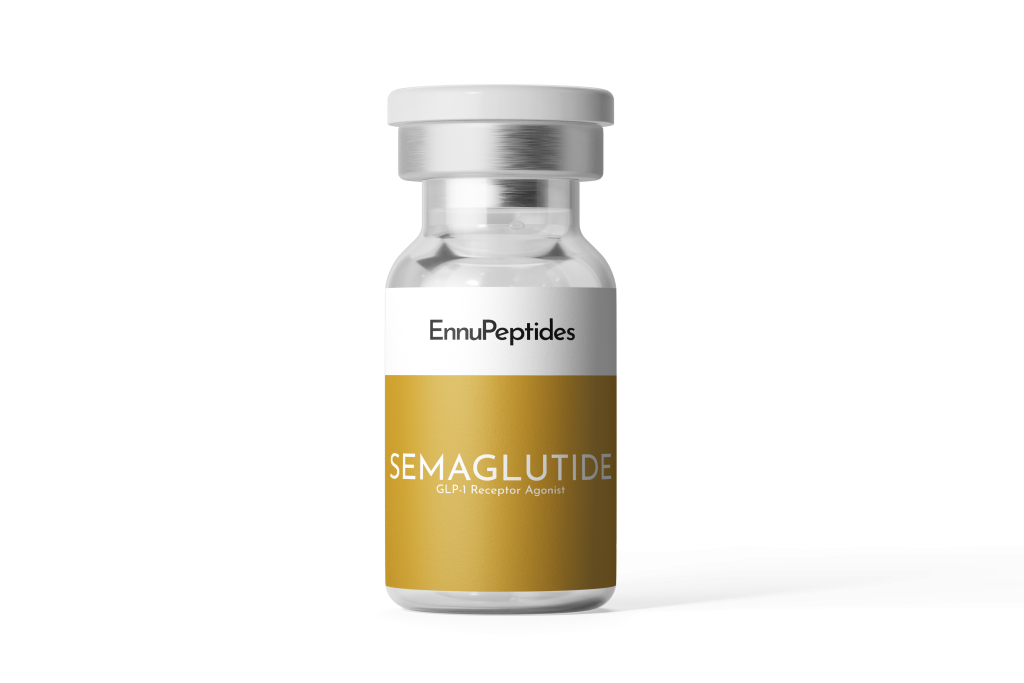
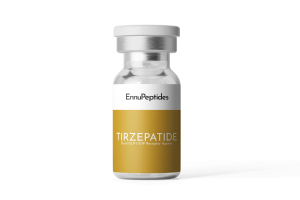
Semaglutide - GLP-1 Receptor Agonist
What is Semaglutide?
Semaglutide is a GLP-1 receptor agonist originally developed for type 2 diabetes management. It mimics the action of the natural hormone glucagon-like peptide-1 (GLP-1), which helps regulate appetite, insulin release, and blood sugar balance. Semaglutide has been studied for its role in supporting healthy weight management and metabolic wellness.
How It Works
By activating GLP-1 receptors in the pancreas, brain, and gut, semaglutide slows gastric emptying, increases satiety, and reduces appetite. This may help individuals consume fewer calories and improve insulin sensitivity while maintaining balanced blood glucose levels.
Key Insights:
- Studied for supporting significant weight management outcomes
- Promotes fullness and appetite control
- Helps maintain healthy blood sugar and insulin sensitivity
- Demonstrated cardiometabolic benefits in clinical research
- Investigated for heart-protective properties in patients with metabolic conditions
Scientific Context
Large clinical studies (including the STEP and SUSTAIN programs) have explored semaglutide’s effects on body weight, glucose regulation, and cardiovascular markers. These studies indicate potential benefits for both metabolic balance and overall wellness when used under medical supervision.
Best for: Individuals seeking to support weight management and metabolic health as part of a physician-guided program.
This compounded peptide is intended for research or clinical use under supervision. It is not approved by the FDA for the treatment of obesity outside of branded formulations (e.g., Ozempic®, Wegovy®).
Frequently Asked Questions
How long until I see results?
Weight loss often begins within weeks but is most noticeable over 3–6 months.
Is it safe?
Generally well-tolerated, though GI symptoms (nausea, vomiting, constipation) are common early.
Is it only for diabetics?
No, it is also FDA-approved for obesity treatment, even in non-diabetic patients.